0
Upper Back Pain: What Causes It And How To Manage It
Upper back pain is the pain you feel anywhere between your neck and lower back – it’s also called the thoracic region. Unlike the lower back, upper back pain doesn’t occur as much as lower back pain does because the thoracic region of the spinal column is stable and has limited movement. However, when upper […]
2014/01/14 12:30 AM

Upper back pain is the pain you feel anywhere between your neck and lower back – it’s also called the thoracic region. Unlike the lower back, upper back pain doesn’t occur as much as lower back pain does because the thoracic region of the spinal column is stable and has limited movement. However, when upper back pain arises, it can give significant discomfort.
What Causes Upper Back Pain?
Lower back pain, as opposite to upper back pain, is felt at the base of your back. The lower back moves a lot; hence it is often subject to pain and injuries. The most common cause of lower back pain occurs when lifting something heavy, overstretching the muscles in the lower back, or from trauma or injury. Weight gain can also cause lower back pain.
On the other hand, upper back pain may occur as a result of direct injury or damages to the tendons and ligaments that may have been overstretched. People who have hurt their upper back in a car accident must be aware of the wear and tear of their ligaments and tendons. Other causes of upper back pain are:
- Muscular irritation or myofascial,
- Joint dysfunction,
- Obesity,
- Poor posture,
- Weak abdominal muscles that disturb the balance of the spine. One of the common signs of weak abdominal muscles is having a forward neck as it compensates the imbalance, which is often the case when one sits in front of a desk for long hours.
- Emotional tension and stress – these causes the muscles to stiffen and contract. Most chronic pain in the neck, arms and upper back are caused by postural stress.
Neck and shoulder pain are often related to stress and injuries of the upper back. In some cases, pain from the neck and shoulder may radiate to some parts of the upper back, magnifying the pain and discomfort. People who are suffering from scoliosis may also experience upper back pain on a regular basis; thus pain management is necessary.
The common symptoms of upper back pain include:
- Pain when taking a deep breath
- Pain when the back is moved or touched
- Pain when the neck is bent forward or when the shoulders are moved.
- Muscle spasms.
Upper Back Pain Relief: What Treatments Should You Seek For?
The nature of upper back pain responds to manual therapies like:
- Acupuncture – an ancient Chinese treatment to pain and other illnesses. This stimulates the central nervous system, including the brain and spinal cord.
- Massage Therapy – this helps improve blood circulation, relaxes the muscles, and increases the levels of endorphins, decreasing pain and improving mood.
- Chiropractic Manipulation – a manual adjustment applied to the vertebrae to promote balance or correct abnormal movement patterns that cause back pain.
- Exercise – this comes in many forms and is considered to be more sustainable.
Back pain in general, and upper back pain in particular, is often the result of a combination of factors. No matter how good they are, most therapies will hardly address all the factors causing your upper back pain. Most of the time, upper back pain sufferers will only enjoy temporary relief and start to feel discouraged that they will ever find a solution.
From a strictly physical standpoint, when experiencing upper back pain it is advisable to address the whole spinal system and correct possible vertebral misalignments. Then you will need to rebalance the muscles which have been compensating for such misalignments. Ideally you will need to find a technique that provides you with both spinal and muscle work.
If upper back pain is giving you so much discomfort and you are looking for natural, effective and fastest methods of eliminating the upper back pain, you may follow a few simple exercises from the comfort of your home.
Upper Back Pain: Strengthening the Upper Back
A balanced body system is essential for optimum health! Occasional pain in the back, whether in the upper portion or the lower back, may be okay; however, chronic upper back pain is a sign of imbalance and bigger health concerns.
Doing regular exercise is proven to be helpful in the overall health, whether in managing pain or in strengthening muscles. For upper back pain, here are two sets of exercises that have been proven to be effective in strengthening the back muscles, tendons and ligaments; thus helping in avoiding upper back pain.
First Set
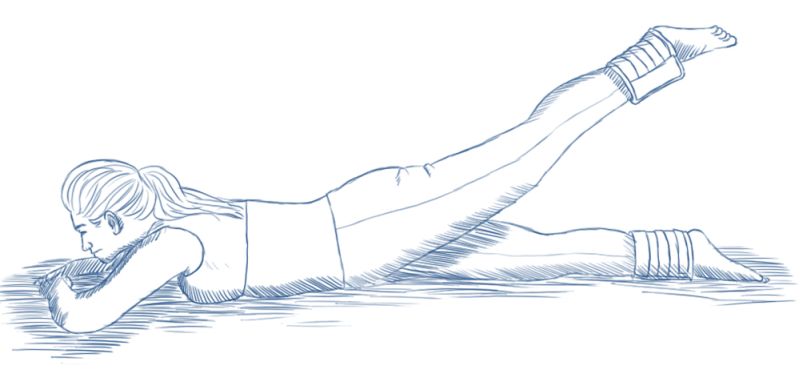
- Lie on your stomach and fold your arms in front of you,
- Raise each leg alternately
- Do 2 sets of 10 repetitions or more if you are comfortable with that. As you get immune with this exercise, you may add leg weights to develop more stamina.
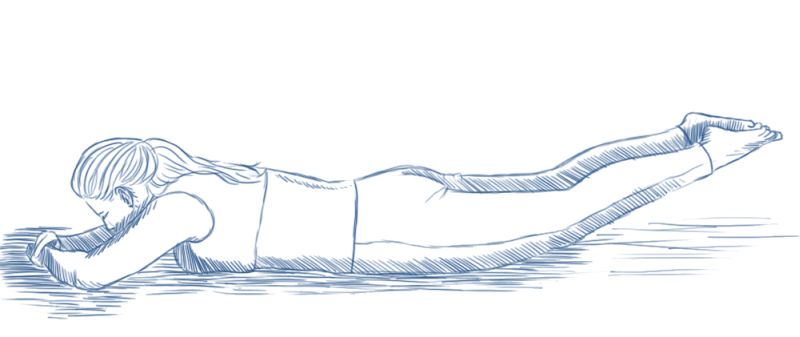
- Lie on your stomach.
- Raise one leg, but keep your knee and toes straight
- While keeping the first leg up, raise the other leg the same.
- Maintain this position for at least 5 seconds.
- You may do 2 sets of 10 repetitions or more.
Second Set
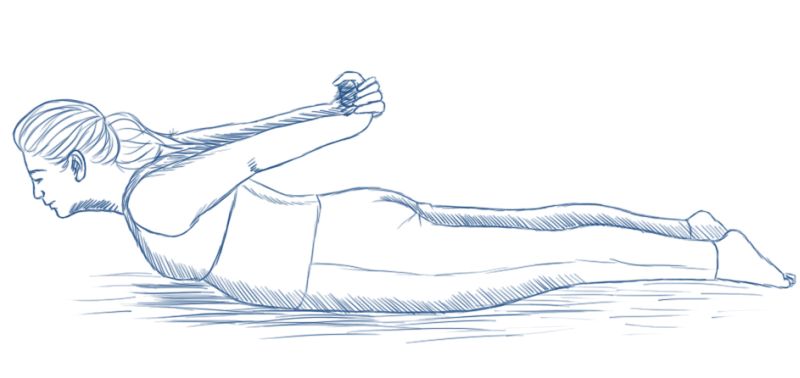
- While lying on your stomach, clasp your hand together behind your back.
- Straighten your elbows up and raise your arms far from your body until you can feel your back muscles to contract.
This exercise helps realign your neck, chest, and vertebrae. If you are suffering from disc problems in the neck region, this exercise is very helpful.
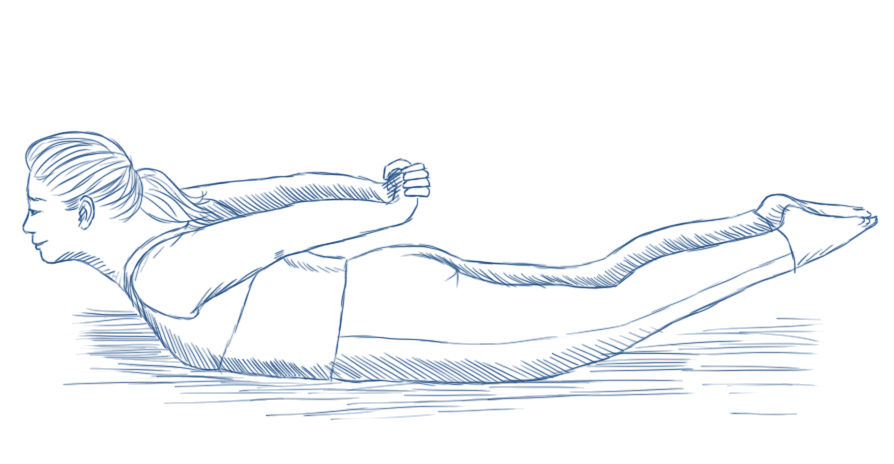
- On your back, raise both your arms and legs together, making sure that your toes are pointing out.
- You may do 5 repetitions of this exercise.
To release tensions from neck and shoulder, you may add other more targeted exercises.


Do you really want to live longer and better?
If you are serious about feeling and being younger, not matter what your age is, enter your email below to get the best tips on how to slow down your ageing process
Related posts