0
Food Allergy: one possible cause of osteoarthritis?
Food Allergy is a common type of allergy, affecting both children and adults across the world. The United Kingdom belongs to the top 3 countries with most incidents of food allergy – Australia and New Zealand being the other two. At least 8% of the total children population and 2% of adults are diagnosed with […]
2014/01/23 9:19 AM
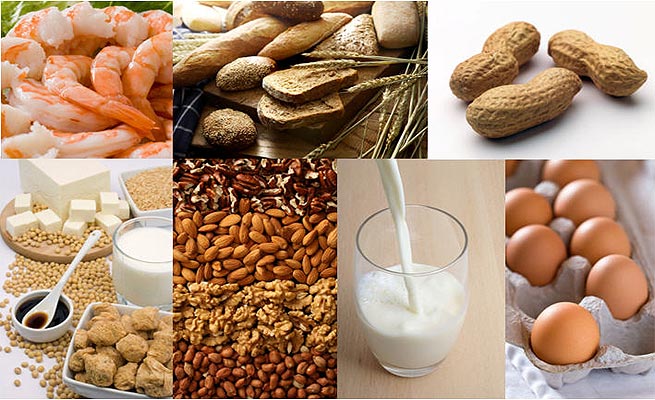
Food Allergy is a common type of allergy, affecting both children and adults across the world. The United Kingdom belongs to the top 3 countries with most incidents of food allergy – Australia and New Zealand being the other two. At least 8% of the total children population and 2% of adults are diagnosed with food allergy in the UK.
Food allergy and osteoarthritis.
Food allergy, triggered by certain foods and ingredients, is an overactive autoimmune response that causes inflammation of the body’s tissues. Food allergic reaction can be adverse to the point of death.
The common triggers of food allergy include, but not limited to:
- Nuts,
- Shellfish / Fish,
- Dairy, milk
- Soya,
- Wheat,
- Potatoes and other nightshades (tomatoes, peppers aubergine and tobacco)
- Chocolate
- Egg,
- Yeast,
- Coffee,
- Orange,
- Tea (you may test for tea bags which I found to be the actual cause of allergy in many of my clients)
- Beef
- Pork
- Corn.
What you may be not aware of is that osteoarthritis is often caused by food allergy or intolerances and that a majority of arthritis patients are sensitive to nightshades. This family includes white potatoes, eggplant, sweet and hot peppers like cayenne and paprika, tomatoes and tobacco. The entire nightshade family contains many of the natural toxic of Belladonna which can create food allergy. In a survey of 5,000 arthritis sufferers, 68% reported complete relief after eliminating nightshades from their diet.
The Dong Diet was devised to avoid many of the common allergens for food allergy including artificial ones, and avoids meat, fruits (including tomatoes), dairy, vinegar and other acids, all variety of peppers, hot spices, chocolate, nuts, alcohol, additives, preservatives and chemicals such as monosodium glutamate. This diet is naturally high in fish and fish oils, both widely recommended for arthritis sufferers.
Symptoms of Food Allergy
Although the symptoms of food allergy may vary from one patient to another, the most common manifestations of the reaction are:
- Swelling in the mouth, of the hands, eyes ankles or abdomen
- Abdominal pain and cramps, vomiting, or diarrhoea
- Eczema or hives
- Trouble breathing and or tightening of the throat
- Low or drop of blood pressure
- osteoarthritis
- excessive sweating
- constant fatigue
- too rapid heart rate, especially after meals.
There are quite a few choices when it comes to food allergy testing that includes skin, blood and muscle testing, elimination diet and the Nambudripad Allergy Elimination Techniques or NAET, the latter being the less invasive.
Food Allergy and Probiotics
The human digestive system serves as home to over 500 various kinds of bacteria that keep the intestines functional and healthy. They also help in digesting food and in strengthening the immune system. When the balance of good bacteria in the intestines is bothered, some digestive problems may occur. The most common reasons of the imbalance are infection and antibiotic intake. Furthermore, intestinal troubles may happen when the intestinal lining is damaged.
Probiotics are organisms like yeast or bacteria that are believed to enhance health. In fact, they help repair the lining of the intestines. According to Stefano Guandalini, MD, a professor of pediatrics and gastroenterology at the University of Chicago Medical Center, “Probiotics can improve intestinal function and maintain the integrity of the lining of the intestines.”
But does probiotics really help cure food allergy?
A new study published in Molecular Nutrition & Food Research journal proves that food allergies can be improved or eliminated with proper nutritional protocol – essentially a dietary regimen that entails supplementing with high doses of helpful, probiotic bacteria. The conclusion was made after an extensive research was done by the researchers from the Istituto Superiore di Sanita in Rome, Italy.
Other helpful functions of probiotics include:
- Regulation of the intestinal villi that improves nutrient absorption,
- Quelling of the inflammation of mesenteric lymph nodes, which happens when these lymph nodes are exposed to allergens.
- Maintaining a strong immune system.
- Treating diarrhoea, ulcerative colitis, and necrotizing enterocolitis – a common intestinal infection among infants.
- Preventing pouchitis – a serious intestinal inflammation that require intestinal surgery.
- Preventing and or treating eczema link with cow’s milk allergy. Treating the symptoms of IBS, vaginitis and Chrohns’s disease.
Probiotics are available in foods and supplements. Be sure that you take probiotics shown to improve gut permeability and pick a brand that includes Lactobacili, Bifidobacteria, Saccharomyces Boulardii and non-disease causing strains of Escherichia coli and streptococci.
If you do not wish to go through drastic elimination diet, you may also want to deal with your food allergy, which can be eliminated through natural and alternative methods.


Do you really want to live longer and better?
If you are serious about feeling and being younger, not matter what your age is, enter your email below to get the best tips on how to slow down your ageing process
Related posts